Direct-to-Chip Cooling
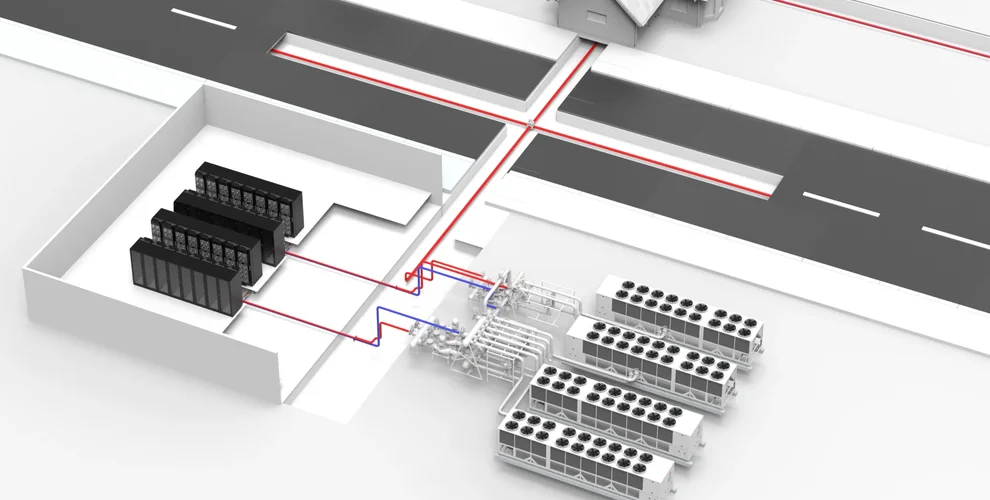
选择理想的散热解决方案
芯片直冷散热是前沿的数据中心热管理方法,其冷却机制直接作用于处理器和其他硬件的发热组件。
通过使冷却元件更加接近热源,诸如液冷或微流体系统等芯片直冷散热解决方案,可提高散热效率,并实现更精确的温度控制。这一创新散热方法不仅能提高服务器的整体性能和可靠性,还可让数据中心以更高的功率密度运行。
在优化能源效率、降低散热成本和充分提升给定空间内的计算能力方面,芯片直冷散热技术发挥着至关重要的作用。随着数据中心的持续演进,芯片直冷散热已成为实现可持续高性能计算基础设施的关键解决方案。
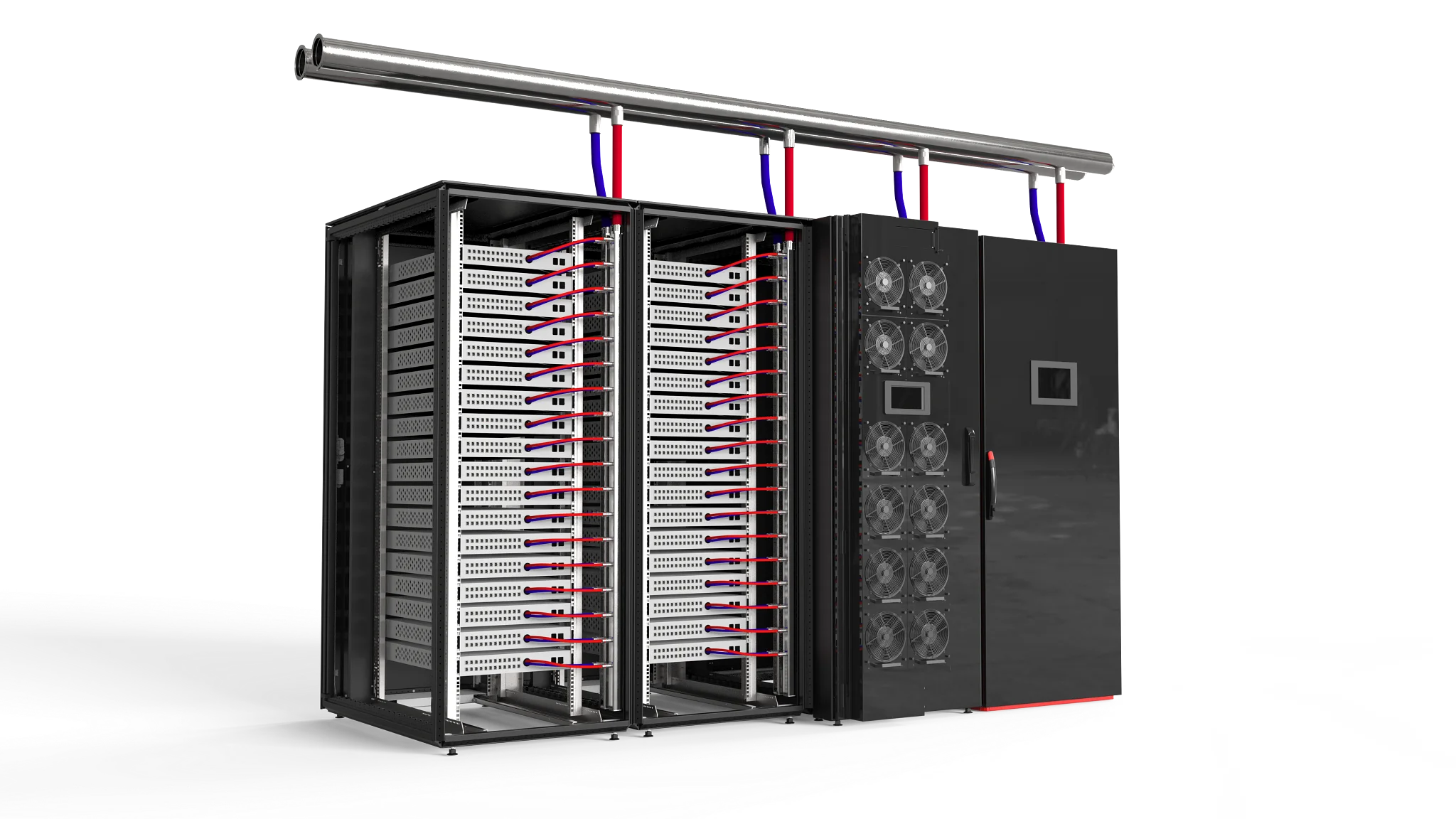
冷却液分配单元的优点
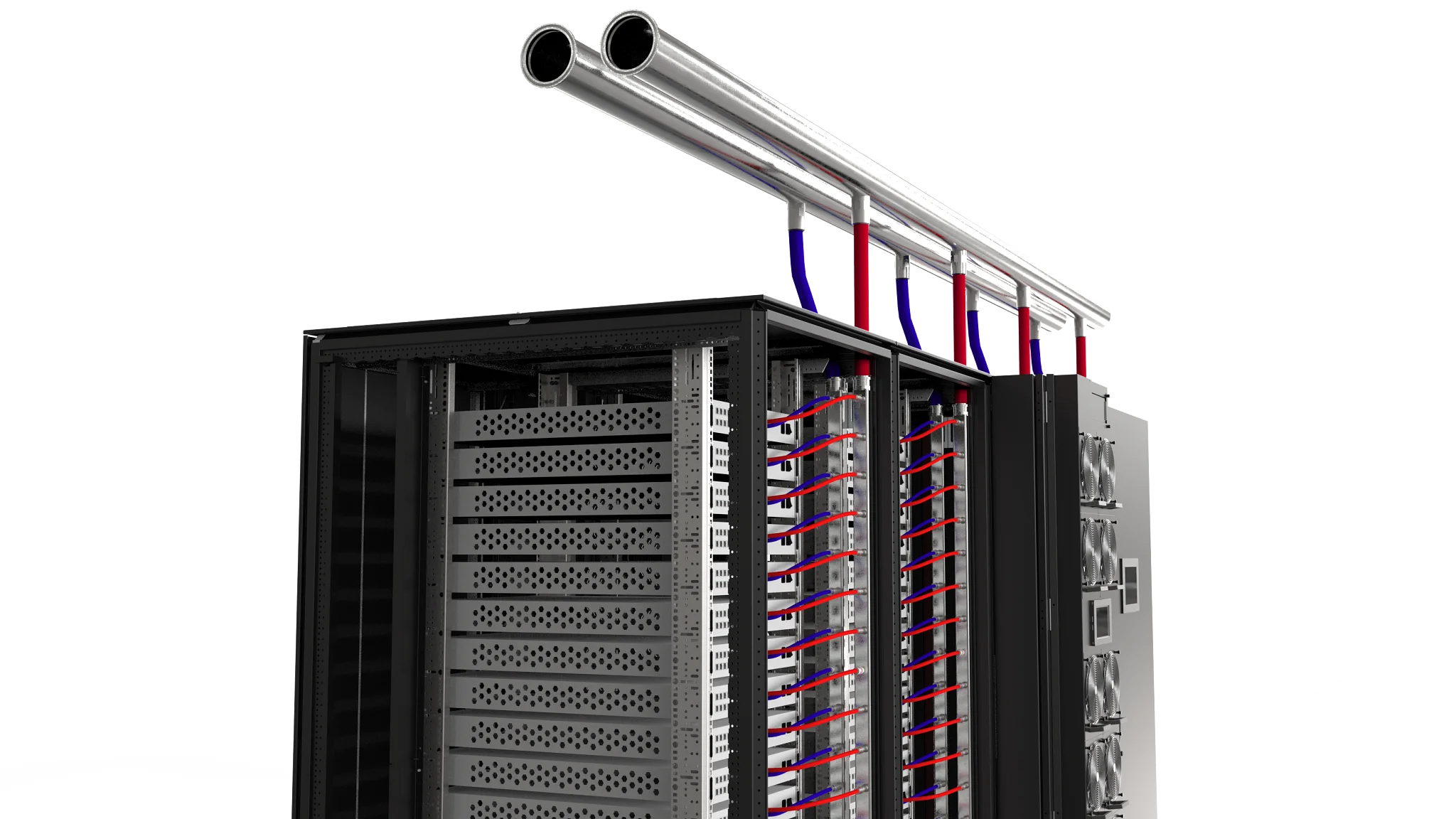
冷却液分配单元 (CDU) 的液冷技术革新了数据中心的散热性能。这一技术能够为数据中心提供卓越的散热效率和更加强大的热管理能力。
通过利用液体作为冷却介质,与传统的风冷方法相比,CDU 能够更有效地促进热量传递,从而增强散热能力并提升温度调节效果。
这一先进的散热技术不仅能优化服务器和设备的热管理,而且还使数据中心能够在更高功率密度下运行,同时不会影响性能或可靠性。
芯片直冷创新技术重塑散热过程
芯片直冷散热具有多重优势,可显著提高数据中心的热管理能力和效率。这种创新方法直接对芯片层级的发热元件进行冷却,可充分提高散热效率,并实现精确的温度控制,从而提高服务器和硬件的性能与可靠性。
芯片直冷散热系统还有助于提高功率密度,使数据中心能够在原有的实体空间内提供更强的计算能力。此外,这种方法还能减少散热能耗、降低运营成本,并提高数据中心运营的整体可持续性。
通过利用芯片直冷散热的各种优势,数据中心能够实现卓越的热管理,优化能效,并增强其基础设施的性能,以及延长基础设施的使用寿命。
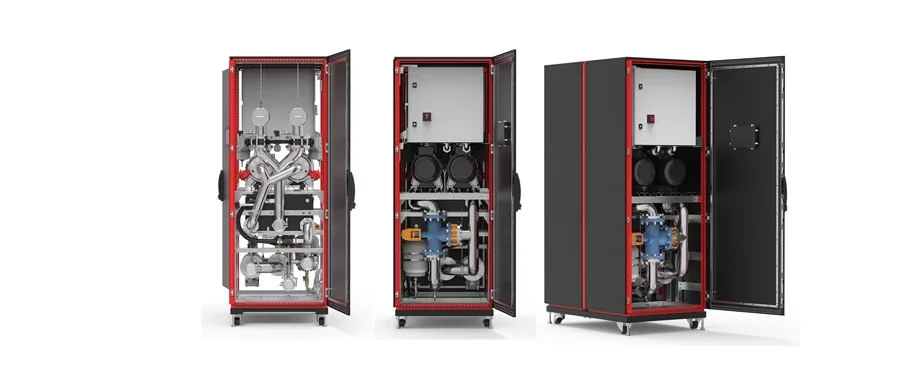
RACKCHILLER CDU800 冷却液分配单元
通过 CDU 可实现液冷系统的精确控制和高效率,显著降低了能耗与碳足迹,并提高现代数据中心的整体散热性能,从而成为可持续高性能计算基础设施的基石。
RackChiller CDU800 Coolant Distribution Unit

特点
- 冗余高性能无泄漏泵系统
集成变频驱动 - 冷却液连接可通过顶部或底部面板实现
- 集成 10 英寸触控面板显示屏。
- 通过以太网、SNMP v3 和 Modbus 实现远程控制功能
- 板载集成泄漏检测
- 出色的功率密度 – 适配标准数据中心的空间布局
- 支持运行中维护 — 系统维护期间无需停机。
- 冗余系统布局将单点故障风险降至最低。
- 与 nVent 卫士系列管理网关和传感器产品组合集成。
规格
一般数据
- 在 6K(主回路流量为 850 LPM)的条件下,冷却能力达 800+kW。
- 管道连接:3 英寸内径卫生级三夹钳
液体温度范围:20 - 70℃ (68 - 158℉)
主回路额定值
- 冷却液:经过处理的水,含最多 20% 的丙二醇 (PG)
- 最大允许流量:1200 LPM (317 GPM) •
- 最大水头损失(850 LPM 时,水):1.3 Bar (19 psi)
- 最大系统压力:10.3 Bar (150 psi)
- 系统容积:50 L(13 加仑)
主回路过滤器尺寸:250 微米
二级回路性能
- 冷却液:经过处理的水,含最多 30% 的丙二醇 (PG)
- 最大流量(单泵):2.6 bar (38 psi) 时高达 1100 LPM (290 GPM)
- 最大流量(双泵):3.4 bar (49 psi) 时高达 1100 LPM (290 GPM)
- 最大允许静压:3.5 Bar (50psi)
- 最大系统压力:8.6 Bar (125 psi)
- 泄压阀启动压力:9.0 Bar (130 psi)
- 系统容积:100 L(26 加仑)
- 二级回路过滤器尺寸:50 微米


视频


