Emerging Trends for Electrical System Design for Evolving Energy Infrastructure
According to the National Electrical Manufacturers Association’s grid resilience study, demand for electricity to power American homes, businesses, transportation and more is expected to grow 50% by 2050. Globally, electricity demand has grown at twice the pace of overall energy demand over the last decade. This shift is accelerating as global demand for electric vehicles increases and consumers, companies and governments seek more sustainable ways to generate electrical power.
Designing effective and efficient energy infrastructure systems involves a careful balance of technical, environmental and human factors. Creating a thoughtful design not only improves the system's reliability but also increases its contribution to a sustainable future. There are five trends grid operators and electrical engineers need to keep an eye on.
Distributed Energy Resources (DERs) For Improved Energy Resiliency
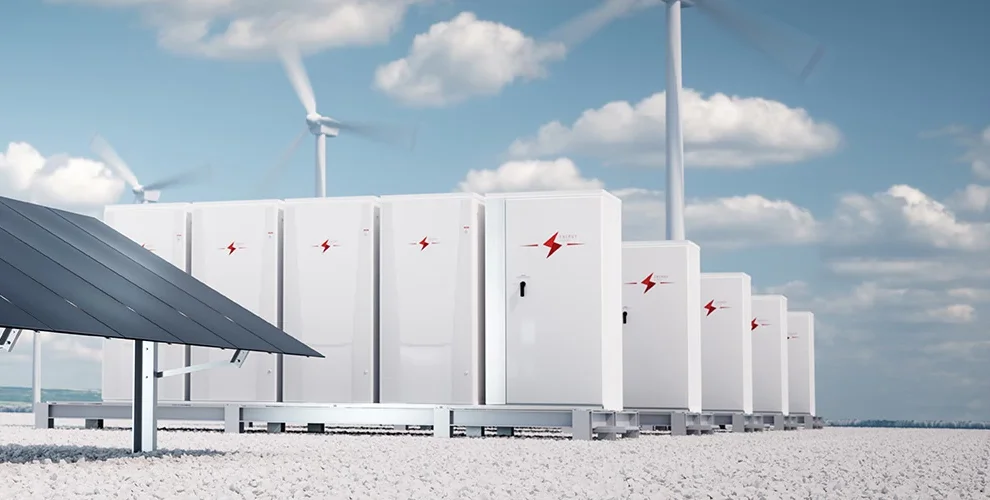
DERs are small-scale, localized sources of energy that are capable of producing, storing and distributing energy to users. They typically include renewable energy generation like solar or wind, battery energy storage systems and a distribution network. Large scale projects like fleet vehicle charging stations and mission critical applications like data centers and utilities can take advantage of DER technology to improve resiliency and increase reliability. These systems can also reduce energy costs by using stored power during times when grid power is particularly expensive.
Energy storage is critical in distributed energy systems to decouple the time of energy production from the time of power use. Consequently, energy storage systems can also play a pivotal role in preparing energy systems to manage environmental threats and support people through times when grid power is unavailable.

Microgrids Emerging as Critical Infrastructure Components
These days, everyone needs to think about microgrids. Whether your primary focus is fleet vehicle electrification, battery energy storage or cooling technology, every engineer needs to think about how their technology expertise fits into a microgrid. For EV infrastructure providers, how are you going to ensure enough power availability with data centers and other applications taking more utility bandwidth? For battery energy storage OEMs, are you doing enough to make sure your solutions can be used in different energy generation applications? For cooling engineers, do you have the necessary expertise in outdoor applications to provide liquid cooling solutions for battery energy storage?
The primary responsibility of the electrical grid is to ensure power available for communities, but increasing pressures on the grid due to electricity demand, aging infrastructure, integration of renewable energy sources, extreme weather events and cybersecurity threats is making that job increasingly difficult. Microgrids have the potential to mitigate or solve many of the problems facing modern electrical infrastructure, but they require engineers of varying specialties to work together closely to design effective systems, minimize risks and delays and improve safety. Engineers need to understand what they don’t know and build strong partnerships focused on designing complete systems.
Increasing Environmental and Personnel Protection Needs
As hurricanes, fires and other extreme weather incidents become more common, the world needs to take steps to improve energy resilience. Power outages caused by extreme weather can impact critical services like emergency response, hospitals and communications networks.
Renewable energy systems are even more vulnerable because they often operate in challenging and sometimes harsh environments. Designing for environmental durability is essential to maintain operational efficiency and longevity. Components should be weatherproofed to resist rain, snow, humidity, extreme temperatures and UV exposure. For systems installed in coastal or industrial areas, materials must be resistant to saltwater corrosion or chemical exposure.
Safety is also paramount in the design and operation of renewable energy systems to safeguard personnel during installation, operation and maintenance. Safety mechanisms include grounding, fault detection and automatic shutdown features in case of emergencies.
Changing Grid Service and Maintenance Needs
As the grid changes to include more renewable energy and battery energy storage, service and maintenance needs are shifting as well. A well-designed renewable energy system must facilitate efficient serviceability and maintenance over its operational lifespan. Modular components simplify replacements and upgrades, minimizing downtime. To prevent failures, it is important to schedule maintenance plans and implement predictive maintenance protocols based on operational data. Additionally, it is important to design a layout of electrical components that facilitates access to key components for routine inspections and repairs.
It is also important to design systems with clear labeling, accessible components and standardized safety procedures to support trained personnel. Relatedly, training programs must be constantly refreshed to make sure they are relevant to the current conditions personnel will face in the field.
Electrical Balance Requirements for Renewable Energy Systems
Maintaining the right electrical balance of energy systems is a basic step but one that cannot be ignored as energy systems rapidly change and evolve. This work includes choosing components that connect renewable energy generation equipment such as solar panels and wind turbines to the grid. UL1741 Compliance is a key safety standard governing inverters, converters and controllers used in renewable energy systems. Ensuring compliance with UL1741 is vital for grid-tied installations, as it certifies that components meet safety and performance requirements. Implementing proper design for the electrical balance of systems supports seamless energy conversion, minimizes losses and supports compatibility with the grid.
Designing energy infrastructure systems involves a careful balance of technical, environmental and human factors. By keeping an eye on the considerations laid out in this article, engineers can work with their partners to achieve optimal system performance while reducing risks and costs and preparing the global energy infrastructure for a more sustainable future.
nVent's energy storage solutions simplify design, procurement, manufacturing and site installation while improving the total cost of energy. Our solutions can meet a wide range of applications and environments. Explore our energy storage solutions: Energy Storage | nVent POWER-UTILITIES